 WEThBandits
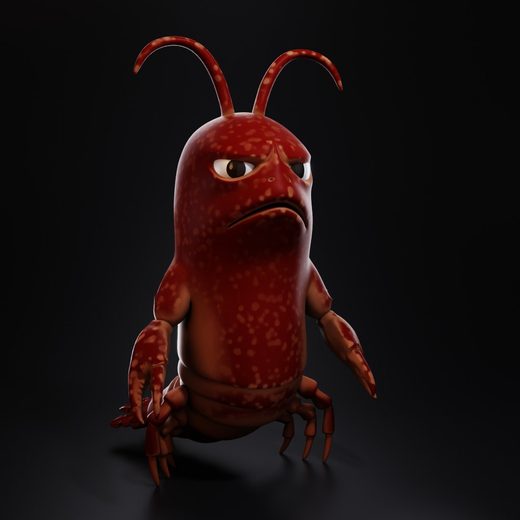
Snapoleon
The Muscle
Doors, guards, and anything that would rather stay shut.
Main attribute — Force

Scammers took the money.
You know where they hid it.
The Heist is played with the Bandits you own. Each character is a specialist at something, but the traits on your individual NFTs set the level of every skill. Get in, get the cash, and get out before the heat turns up.
Pick a crew, take a job, and decide how to handle every obstacle along the way. Every choice has real odds and a payout you are shown before you commit. Call it quits and walk away with most of it, or push your luck to the final stage and keep it all.

The Shallows, The Drain, The Boneyard, The Trench. It gets darker and it pays better in exactly the order you would expect.
The traits you own are the stats you play. Your Bandits are not avatars standing in for a character — what is already on them decides what they are good at, so the rare piece you pulled at mint is worth something on The Heist as well as in your wallet.
Doors, guards, and anything that would rather stay shut.
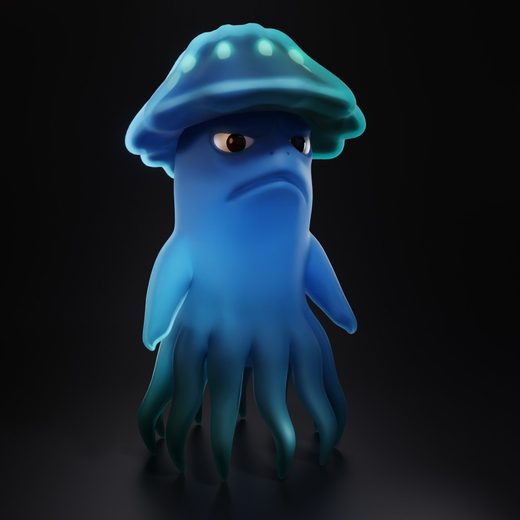
Alarms, locks, and systems that were never meant to be asked twice.
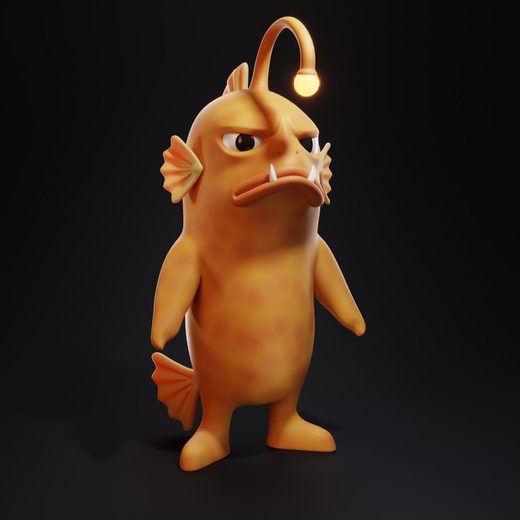
Everyone looks at Disco. That is the entire point.

The approach, the timing, and the way back out.
Everything you take comes back here.
Every run is scored, and the best crews of each season sit at the top of a public leaderboard. At the end of a season we award NFT prizes to the crews who earned them.
The board resets between seasons, the prize pool changes, and a bad previous season costs you nothing but time.
The Heist opens to holders, and the place to get them is the mint.
All 3,400 Bandits were drawn and finished before a single token ID existed. To prove we didn't quietly reorder or swap anything afterwards, we published a fingerprint of the finished set — one string that changes completely if the set changes at all.
Lock the list. The finished set is written out in one fixed, sorted order, before any token ID is assigned. That list is run through SHA-256, and what comes out is the proof hash below.
Publish it first. The proof hash and the shuffle seed go public before mint — before anyone, us included, knows which Bandit lands on which token ID.
Shuffle with the seed. The seed drives the shuffle that maps that list onto token IDs 1–3,400. Same list, same seed, same mapping — every time it's run.
Check it yourself. Rebuild the list from the revealed collection, hash it, and re-run the shuffle with the published seed. Both numbers have to come out the same. If either one doesn't, we changed something.
That string is a hash, not a wallet address — there is nothing to send anything to. It only means something because it is published before the reveal.